

What To Know About Toyota Electric Vehicle Charging At Performance Toyota
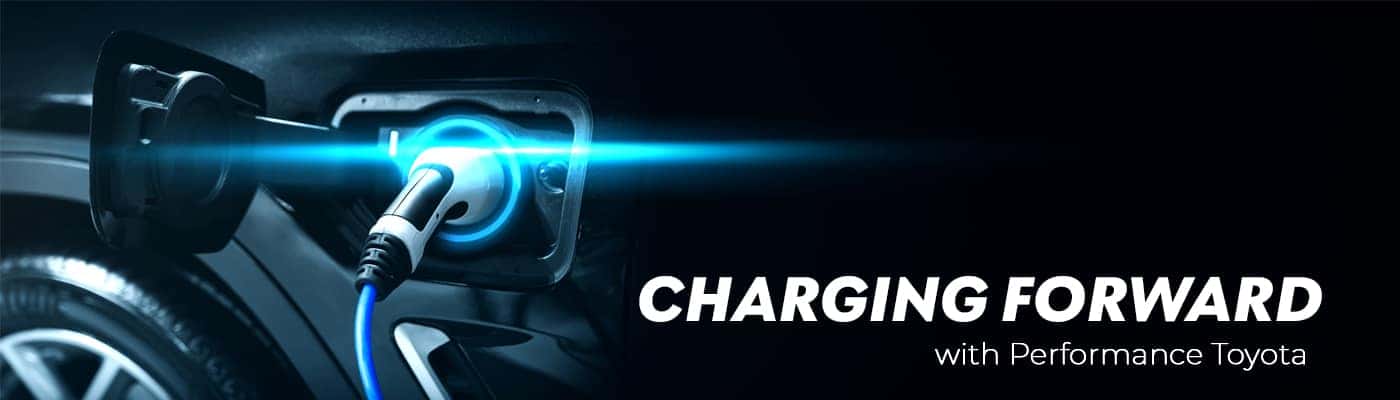
The transition to electric mobility is transforming the way we think about transportation in Cincinnati OH. As more drivers choose to move away from traditional internal combustion engines, understanding the mechanics of battery electric vehicles (BEVs) becomes essential.
At Performance Toyota, we believe that if you can charge a cell phone, you can certainly charge a Toyota BEV. While the scale of the technology is much larger, the underlying principles of energy transfer remain remarkably similar. This comprehensive guide explores the foundational concepts of charging to ensure you feel confident behind the wheel of your new electrified vehicle.
The Fundamental Vocabulary Of Electric Power
Before you plug in your vehicle for the first time, you should familiarize yourself with the basic terminology that defines the charging experience. Electrical energy relies on several key measurements to determine how much power is moving and how quickly your battery will fill.
Amperage And Voltage
The first term to master is amperage, often referred to as “amps”. In the context of a BEV, amperage measures the flow of electrical energy. Consequently, higher amperage values generally translate to faster charging speeds because more energy moves into the vehicle in a shorter amount of time. In addition to amperage, you will frequently hear the term voltage. You can think of voltage as electrical pressure or the “pushing force” that moves electricity through the system. Just as higher pressure helps fill a container faster, higher voltage allows more energy to flow and perform the work of filling your battery. This explains why the time it takes to charge a vehicle varies significantly based on the voltage of your power source.
AC vs DC And Battery Capacity
Furthermore, we must distinguish between alternating current (AC) and direct current (DC). Most standard electrical outlets in homes provide AC power, which alternates its directional flow. However, electric batteries require DC power, which flows in a single direction, to store energy. Because of this requirement, your Toyota must use an onboard charger to convert incoming AC power from your house into DC power for the battery. Finally, the capacity of your battery is measured in kilowatt-hours (kWh). This value is comparable to the number of gallons a gas tank can hold. As the kWh value increases, your driving range typically increases as well. Nevertheless, a larger capacity battery will naturally take more time to fill completely than a smaller one.
- Amperage: Measures the flow of electrical energy; higher amps mean faster charging
- Voltage: Electrical pressure that pushes energy through the system
- AC vs DC: Home outlets provide AC; batteries store DC—your vehicle converts between them
- Kilowatt-hours (kWh): Battery capacity, similar to gallons in a gas tank
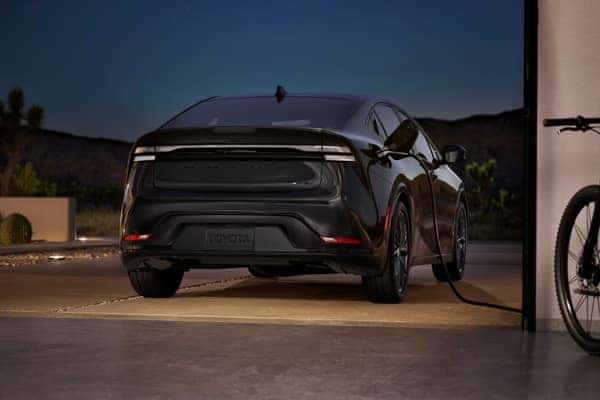
Navigating The Three Levels Of Charging
Charging methods are generally divided into three distinct levels based on their power output and where you typically use them. Each level offers a different balance of speed and convenience, allowing you to choose the best option based on your schedule and location in Cincinnati OH.
Level 1: The Standard Home Solution
Level 1 charging is the simplest and most accessible option available to drivers. This method utilizes a standard 120V AC wall outlet, the same type you use for common household appliances. While this is the most convenient method because it requires no special equipment, it also takes the longest to charge a vehicle. The slow speed occurs because the lower voltage provides less “push,” and the vehicle must convert the AC power to DC before storage. Consequently, Level 1 is often best suited for plug-in hybrids with smaller batteries or for maintaining a charge overnight.
Level 2 And Level 3: Faster Options
Level 2 charging offers a significant step up in performance by utilizing 240V AC power. This level essentially doubles the voltage and increases the amperage compared to Level 1, resulting in much faster charge times. To utilize this method at home, you may need a licensed electrician to install a 240V outlet, similar to the ones used for heavy appliances like clothes dryers or ovens. Although this AC power still requires conversion by the vehicle’s onboard charger, the increased energy flow makes it the preferred method for daily BEV owners who want a full battery every morning. When you are traveling or need a quick boost, Level 3 charging—commonly known as DC fast charging—is the ultimate solution. Unlike the first two levels, Level 3 provides high-voltage DC power directly to the battery. Because the power is already in DC format, the vehicle does not need to perform a conversion, which allows for incredibly rapid charging. These specialized stations use 480V or higher and require commercial-grade equipment not typically found in residential areas.
- Level 1 (120V): Standard outlet; slowest; ideal for overnight or plug-in hybrids
- Level 2 (240V): Home upgrade; faster daily charging; may require electrician installation
- Level 3 (DC Fast): Commercial stations; rapid charging for travel; 480V or higher
Frequently Asked Question
How long does it take to charge a Toyota electric vehicle?
Charging time depends on the level you use and your vehicle’s battery size. Level 1 charging from a standard 120V outlet is the slowest and is best for overnight charging or plug-in hybrids. Level 2 charging with a 240V outlet significantly reduces charge times and is ideal for daily BEV owners who want a full battery every morning. Level 3 DC fast charging provides the quickest boost when you are on the road. Keep in mind that cold weather in Cincinnati OH can slow DC fast charging when temperatures drop below 50 degrees Fahrenheit. Toyota also recommends limiting DC fast charging sessions—for example, up to two per day for the 2023 bZ4X and three per day for the 2024 bZ4X—to protect long-term battery health.
The Impact Of Environment On Charging Performance
It is important to understand that charging times are not always static. Various factors can influence how quickly your Toyota reaches its full capacity.
Weather And Temperature
One of the most significant variables for drivers in Cincinnati OH is the weather. Specifically, DC fast charging times can increase significantly when outdoor temperatures drop below 50 degrees Fahrenheit. If temperatures reach freezing levels, the time required to charge may increase even more dramatically.
Battery Health And Toyota Guidelines
Moreover, the age and condition of your battery, as well as the use of accessories while charging, can negatively impact charging efficiency. Toyota has also established guidelines for certain models to protect long-term battery health. For example, 2023 bZ4X owners are encouraged to limit DC fast charging to two sessions per day. For the 2024 bZ4X, this recommendation is three sessions per day. Following these guidelines ensures your vehicle maintains optimal performance for years to come.
Understanding Your Charging Options
Whether you primarily charge at home, at work, or on the road, Toyota offers flexible solutions to fit your lifestyle. Level 1 requires no installation, Level 2 delivers the best balance for daily use, and Level 3 keeps you moving during longer trips. The simplicity of charging—literally as easy as 1, 2, 3—means you can spend more time enjoying the drive and less time worrying about the mechanics of power.
Choosing Your Next Electrified Toyota
At Performance Toyota, we are dedicated to helping you navigate the exciting world of electric vehicles. Whether you are curious about home installation for Level 2 charging or want to test drive the latest bZ4X, our team is here to provide expert guidance. We understand that moving to a BEV is a significant step, and we want to ensure you have all the tools necessary for a seamless transition.
Visit Performance Toyota Today
Contact Performance Toyota today to explore our electrified lineup, schedule a test drive of the bZ4X, or get expert advice on home charging installation!
Explore our entire inventory at our website: https://www.performancetoyota.com/new-vehicles/
0 comment(s) so far on What To Know About Toyota Electric Vehicle Charging At Performance Toyota