

How to Reset Your Low Tire Pressure Light
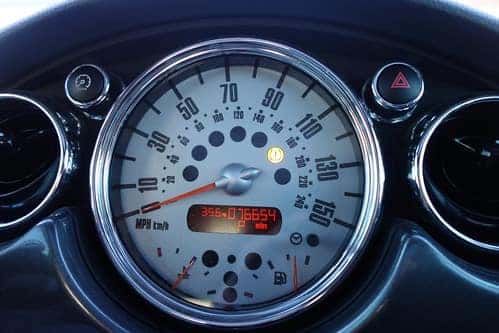
Tire Pressure Warning Light by kennejima is licensed with CC BY 2.0
Maintaining proper tire pressure is an essential part of staying safe on the road, so it’s important to understand what your tire pressure light means and how to reset it. At Performance Toyota, your safety is our priority. Keep reading to learn more about what your Toyota’s tire pressure light indicates, what to do when it’s on or flashing, and how to reset it once you’ve properly inflated your tires. If you notice something is wrong with your tires, schedule a service appointment with us today!
How to Reset Your Low Tire Pressure Light
As a driver, it’s important to understand the functions and system indicators in your vehicle, including the tire pressure light and how to reset it. After inflating your tires correctly, your car’s tire pressure light should automatically turn off. If the light remains on, even with properly inflated tires, there are ways to shut it off manually:
Hold down the TPMS reset button
While your vehicle is off, turn your key to the “on” position without actually starting the car. Then, hold down the TPMS reset button until you see the tire pressure light blink three times. You’ll usually find the TPMS button located under the steering wheel, and you can consult your vehicle’s user manual if you have a hard time finding it. After you start the car, the sensor should refresh within 20 seconds.
Drive your vehicle at or above 50 mph
If you’re struggling to reset the tire pressure indicator, consider driving your car at or above 50 mph for at least 10 minutes. You may not notice a change in the tire pressure light while you’re driving. However, this can help reset the low tire pressure sensor so the light doesn’t turn on the next time you use your vehicle.
Disconnect the positive battery cable
Another way to reset your low tire pressure light is to turn off your car and disconnect its positive battery cable. After starting the vehicle, honk its horn for three seconds to discharge any power that the vehicle may have stored. Then you can reconnect the battery and the low tire pressure light should be off.
Inflate your tires to 3 PSI above their recommended amount
To reset your vehicle’s tire pressure sensors, inflate all of your tires to 3 PSI above their recommended amount, and then remove all the air from them completely. Since your spare tire may have a pressure sensor as well, it’s important to include it in this process. After deflating them, you can refill them according to their recommended PSI and no longer see the low tire pressure indication light.
What Does It Mean When the Tire Pressure Light is On?
You may that notice your tire pressure light turns on as you’re driving or when you start your vehicle. Regardless of when you notice this indicator, there are two primary reasons for the TPMS light to turn on in your car:
A leak in your tire or multiple tires
Your tires may deflate, causing the TPMS light to turn on due of a leak in one or more tires. You may be able to refill the air in your tire at a local gas station for a small fee. This can help you drive a short distance, and can protect you from the dangers of low tire pressure while you drive to our service center. You can stop by our service center to properly patch up the hole in your tire and ensure it doesn’t continue to grow or impact the handling and safety of your vehicle.
Drastic weather or temperature changes
If there are significant changes in the weather or temperature in your area, it may impact your tire pressure. When the temperature suddenly drops, it causes an abrupt change in the air pressure, which can also affect the air in your tires. Keeping up with regular tire pressure checks and vehicle maintenance is one way to avoid this issue before it has a serious impact on your car.
What Does It Mean When the Tire Pressure Light Flashes?
Your tire pressure light normally is either on or off. If your vehicle’s TPMS light is flashing, this indicates that the tire pressure sensor’s battery is low. You’ll find a tire’s pressure sensor along the inner part of the tire rim. You can see the tire pressure sensor, which is a small cylinder, by removing the tire from its rim.
What to Do If Your Low Tire Pressure Light Will Not Reset
It can be frustrating to notice your TPMS light is on or flashing, especially if you can’t seem to resolve the issue. If you’ve tried one or more methods and your tire pressure light won’t reset, it’s important to schedule a service appointment with our experts at Performance Toyota as soon as possible. One of our team members can help you assess the problem, identify the right way to handle it, and get you back on the road.
What are the Potential Issues of Having Low Tire Pressure?
When your Toyota’s low tire pressure light turns on, it’s important to try to address the issue as soon as possible. Under-inflated tires can cause a variety of problems with your vehicle’s safety and handling, including:
- A flat tire or a blowout
- Reduced fuel economy
- Decreased traction
- Poor load carrying capacity
- Higher likelihood of being impacted by cracks, potholes, and curbs
Visit Performance Toyota in Fairfield
For state-of-the-art diagnostic equipment and a team of factory trained and highly experienced professionals, make sure to visit Performance Toyota in Cincinnati. You can book a service appointment online, or stop by our Toyota dealership to meet our team and schedule maintenance for your tires — or any other part of your vehicle. Contact us today at (513) 874-5535 if you have questions about our services, want to review our latest service specials or are interested in learning more about what we offer.
0 comment(s) so far on How to Reset Your Low Tire Pressure Light