

How Often Should I Change My Brake Fluid?
Brake fluid helps to ensure that your vehicle’s brake system functions properly. This substance is contained within your brake lines and helps provide the force that’s created when you press your foot down on the brake pedal. Like almost everything in your vehicle, the brake fluid needs to be replaced periodically so that you can avoid more costly repairs and ensure that your brakes apply the proper amount of pressure to your vehicle.
If you’re unsure of how often you should change your vehicle’s brake fluid, you can consult our team of certified experts at Performance Toyota in Fairfield. Keep reading to learn how often you should change your brake fluid, the dangers of not changing it, and how you can check your fluid level at home.
Determining How Often You Should Change Your Brake Fluid
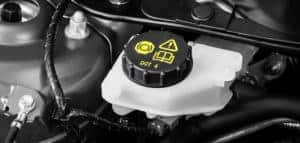
Image via The Garage Auto Repair
The fluid in your hydraulic brakes is one of the most important fluids in your vehicle, but it often gets overlooked. It’s important to regularly check the brake fluid in your Toyota vehicle, but how often you check it depends on your specific model, how long you’ve had it, and how often you drive. Toyota recommends that you change your brake fluid about every two years or 20,000 miles, although no two drivers are the same, and some may require their fluid to be changed more or less often.
You should have your fluid checked at the same time as your oil change, so you can better keep track of how long you have before you’ll need to get it replaced. Be sure to check your owner’s manual for the recommended interval for your model.
If you press down on your brake pedal and it feels loose or spongy, or you discover that you can push it almost all the way to the floor before your vehicle comes to a solid stop, you likely need to change the fluid. Likewise, if you notice any delays when you hit the brakes or your brake light suddenly flickers on, it’s likely time for a fluid replacement. Your brakes should immediately bring the vehicle to a complete stop, and if they fail to do so, you should check your fluid level as soon as possible.
Dangers of Not Changing Your Brake Fluid
Toyota has some of the best hydraulic systems you’ll find, but keeping your system properly maintained by changing the brake fluid when it’s low is an important part of making sure it lasts a long time. If you drive shorter distances where you have to brake frequently or sit in a lot of traffic during your commute, you may find that your brake fluid will become low quicker. There are a few dangers that come with failing to change your brake fluid:
Poor Braking Performance
When your brake fluid becomes low, you may find that you have to press harder on the brake pedal in order to come to a complete stop. This can mean that your brakes end up working a lot harder to bring your vehicle to a stop or slow it down, which can be particularly dangerous when you have to brake suddenly.
Contaminated Brake Fluid
Your brake fluid will likely become contaminated with debris and dust as time progresses. In addition, the seals and rubber hoses that make up your brake system can become worn over time and begin to shed small amounts of rubber. The metal components of your brake system can also shed rust and other particles. When your brake fluid is contaminated enough, it can cause your braking system to malfunction and cause your vehicle’s antilock brake system to stop working.
Inoperable Brakes
If you run out of brake fluid entirely, your brakes can become inoperable. This can be especially dangerous when you’re on the road and need to find a place to park safely. If your brakes suddenly stop working, you can pull on the emergency brake handle or pump the brakes until your vehicle comes to a stop. If your brake pedal suddenly sinks, you may want to check for a possible fluid leak.
How To Check Your Brake Fluid
Before checking your brake fluid, you should first check your owner’s manual to see where the reservoir is located on your model. Most often, the reservoir sits on top of the master cylinder underneath your vehicle’s hood. Brake fluid is typically either light brown or clear in color, but often darkens with age and can become gunky with contamination. The dirtier your fluid is, the more likely you need to replace it.
Your reservoir is made of clear plastic and should have a fill line showing where the fluid should be and whether it’s getting too low. If the liquid falls below the line, it’s likely time for a replacement. Once you’ve checked your fluid, make sure everything is back in position. Avoid opening the reservoir, as this can cause the fluid to become contaminated by particles in the air.
Determining the Right Type of Brake Fluid for Your Vehicle
There are a few different types of brake fluid for you to consider when you need a replacement. Glycol-based and silicon-based fluids are the most common. Glycol-based brake fluids absorb water and are often used in vehicles that have an antilock brake system, while silicone-based fluids don’t absorb water and are used in vehicles that don’t have an antilock brake system. Almost all newer vehicles have ABS technology, but it’s still important to double-check which type of fluid you should use.
To check to see which type of brake fluid you should use the next time you need a fluid replacement, refer to your owner’s manual. The reservoir cap may also help you identify the right brake fluid for your vehicle. If you’re unsure, ask a technician. Using the wrong brake fluid can cause your system to stop functioning.
Come To Performance Toyota for All Your Brake Needs
If you’re driving around the Fairfield, Cincinnati, Hamilton, Middletown, or Mason areas and notice that your brakes aren’t functioning as they should, schedule service at Performance Toyota. Our expert technicians can check your fluid level and can replace your old, dirty, or depleted brake fluid if necessary. In the meantime, check out our service specials to see how much you can save on brake service, oil changes, and more.
0 comment(s) so far on How Often Should I Change My Brake Fluid?