

3 Tips Every Car Owner Should Know
Whether it’s your first time owning a car or you’ve had a long history of vehicle ownership, there are some tips you can use to lengthen the life of your vehicle and improve your experience. Maintenance is an important part of being a responsible owner and driver because it allows you to improve your safety and protect others on the road. Regular care for your vehicle can also help you avoid major mechanical issues. These are some tips every car owner should know. Click the button below to call our service center in Fairfield, OH if you need help with car maintenance.
Caring for Your Vehicle
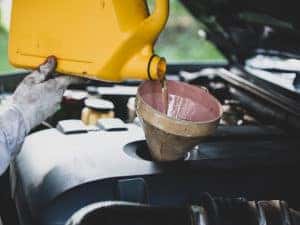
Many maintenance tasks for your car are best performed by a mechanic, but there are many things you can do to care for your vehicle, such as:
- Avoid eating, drinking, and smoking in your vehicle. If you want to keep the interior of your vehicle in great shape, avoid eating, drinking, or doing anything else that may cause stains or leave lasting smells in your car.
- Do a visual inspection each week. Walk around the exterior of your vehicle and check for rust, balding tires, and other signs that your car requires more maintenance.
- Check your tire pressure at stations. When you stop at the gas station to fuel up, it’s a great time to check your tire pressure and add more air if you need to.
- Get a car wash membership. Washing your car regularly is vital for maintaining the exterior, and this is especially true if you live somewhere with a cold and snowy winter. Consider getting a car wash membership if you don’t want to wash your car by hand each week.
Maintenance Scheduling
Finding a service station you trust is important for keeping your vehicle in good shape. Maintaining your engine and tires regularly can help you lengthen the life of your vehicle and avoid major mechanical issues. If you’re not familiar with standard engine parts and their maintenance needs, it’s helpful to learn the basics.
Once you understand what your engine needs to stay properly maintained, set up a schedule. Consider adding services and when to complete them on your calendar, or set reminders on your phone or smart home device. There are many types of vehicle maintenance, and it’s important to consult with an expert to determine which services your vehicle requires. These are some common services and how often to schedule them:
- Tires: A tire rotation is when the mechanic removes the tires from your car and puts them in a different spot, and it’s good to have this done every 5,000 miles. Getting your tires aligned every 6,000 miles helps you maintain them and ensures your tires hit the road at the proper angle.
- Oil: Oil is the lubricator within your engine, and it’s important to change it every 3,000 to 7,500 miles, depending on the oil in your car. Choosing synthetic oil can help you reduce the number of oil changes you need in a year.
- Filters: There are many filters within your engine, including the air and fuel filters. You can plan to get these filters changed every 30,000 miles unless your mechanic says otherwise.
- Battery: The battery in your vehicle is likely to last between four and five years, which can give you a varying number of miles, depending on how far you drive each year.
- Brakes: Brakes help your car come to a stop, which makes them important for safety. Get your brake pads changed every 50,000 miles and your rotors replaced roughly every 60,000 miles.
- Engine fluids: The engine uses many fluids to operate, including brake fluid, coolant, and transmission fluid. It’s important to check these fluids to determine their quality, but you can expect to change the brake fluid every 20,000 to 45,000 miles, the coolant every 60,000 miles, and the transmission fluid between 30,000 and 100,000 miles, depending on your transmission.
Putting Safety First
Even safe drivers who properly maintain their cars experience emergencies. For example, you may hit something sharp in the road and pop a tire or experience an unavoidable accident. These are some tips you can use to make your car safer in emergencies:
- Practice putting your spare tire on your car. You may be in a situation where you have to change the tire on your car in less-than-perfect circumstances, like on a gravel road or in the dark. Practice putting the spare on your car at least once to ensure you know how to and that you have all the tools available.
- Keep your car well-stocked. Whether it’s a scraped knee or something more serious, having a first aid kit in your car can help you patch things up in the event of an accident. Having a bottle of water, jumper cables, and a granola bar or other snacks can also help ease emergency situations.
- Purchase a window breaker and seatbelt cutter. There are many products you can buy to help you in case of a vehicle emergency, and a combination glass breaker and seatbelt cutter can come in handy. For example, if you find yourself in a situation where you can’t get out of the car, you can use the glass breaker to exit through the window or the seatbelt cutter if the latch won’t release.
- Read your car’s manual at least once. Though you can refer to it when you need to, reading through your owner’s manual at least once can help you familiarize yourself with the car. Understanding the basic components and unique characteristics of your vehicle can help you maintain it correctly and respond correctly if something goes wrong.
If you’re a new car owner, we hope these tips have helped make your car ownership experience easier. If you’re a long-time car owner, hopefully this guide has taught you something new about vehicle maintenance or how to stay safe on the road. Have questions about the information in this article? Don’t hesitate to reach out to our friendly and dedicated professionals online or give us a call at (513) 874-5535. Swing by the dealership to test drive a car or check out our financing information to begin the buying process.
0 comment(s) so far on 3 Tips Every Car Owner Should Know